











This powerful half-day summit will bring together leaders from across Tennessee’s treatment and recovery community to discuss how stronger partnerships, long-term recovery management, and an integrated continuum of care can improve outcomes for individuals and families.
Addiction is a chronic disease that requires coordinated care, sustained engagement, and meaningful support well beyond a single episode of treatment.
Together, we will connect policy with local implementation, identify gaps in the recovery continuum, and establish concrete next steps for strengthening recovery throughout the Upper Cumberland.
Join the people shaping what comes next for our region—and beyond.
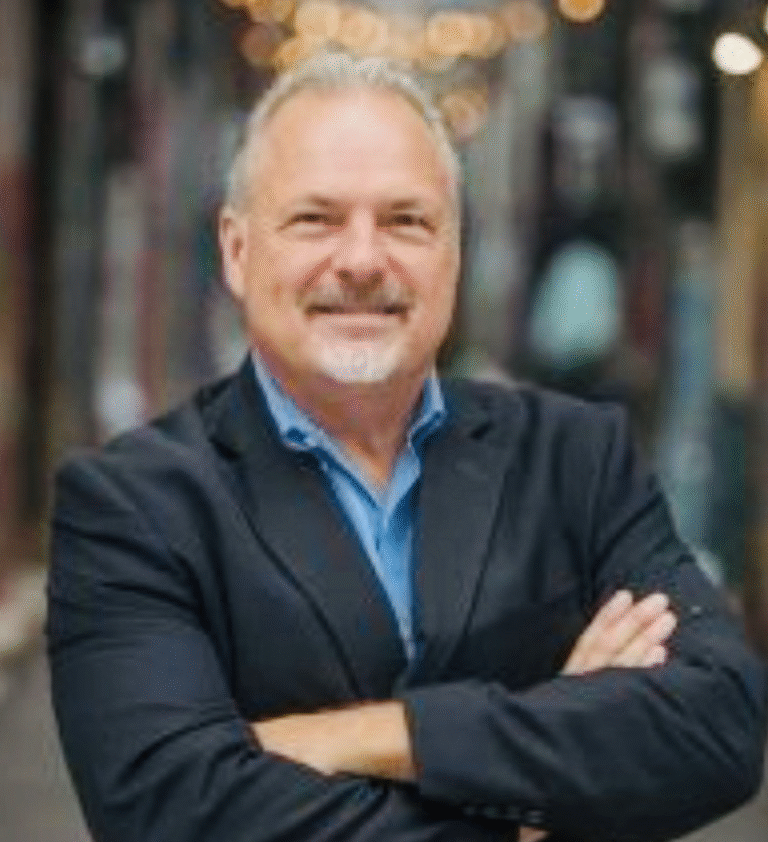
Executive Director, Metro Drug Coalition Knoxville
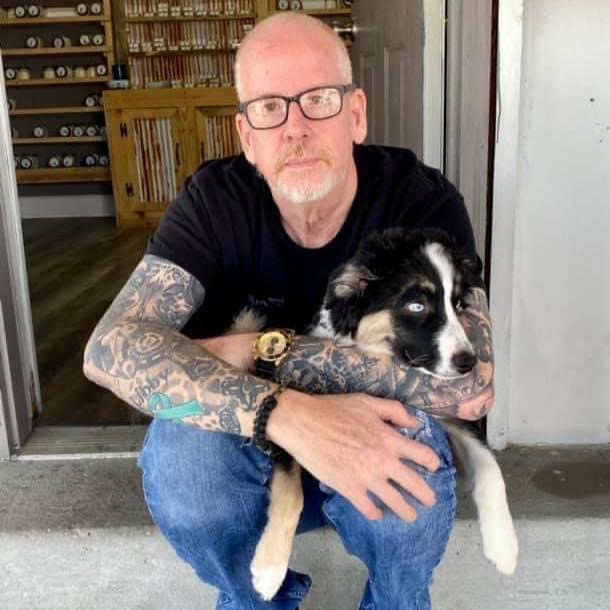
Senior Advisor, Great American Recovery Initiative; and Medical Director, Cedar Recovery
Program Moderator
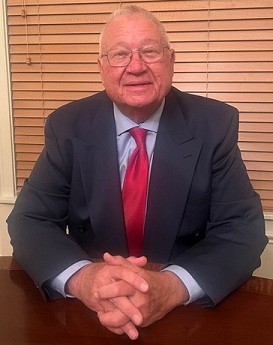
Founding Advisor for Research & Policy, Reach Impact Institute; Co-Founder and Chair, Advisory Board, National Institute for Behavioral Health
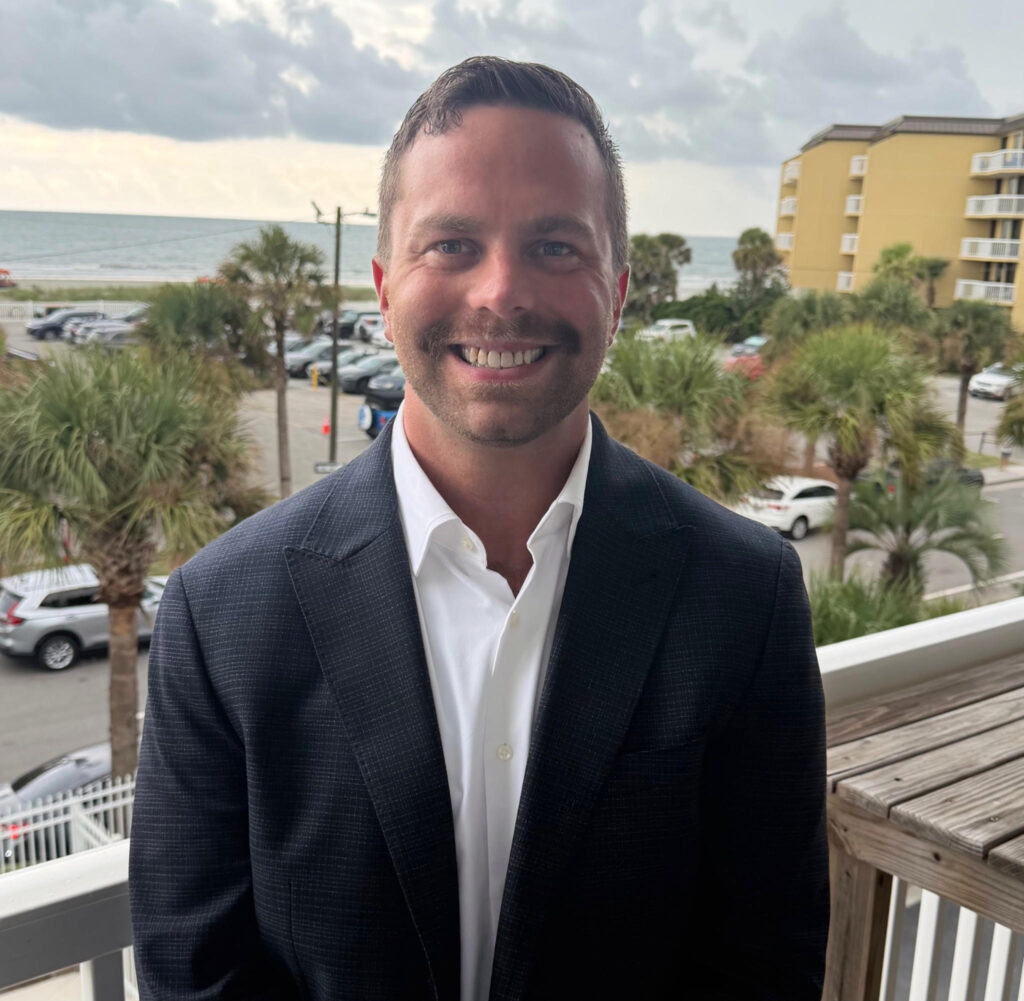
President, Reach Impact Institute; President, RCN Treatment Centers
Economic Development Planner, Upper Cumberland Development District / Upper Cumberland Human Resource Agency
Co-Founder, National Institute for Behavioral Health; Executive Director, Hope in the Hills, Inc.
Commissioner, Tennessee Department of Mental Health and Substance Abuse Services
8:00AM-9:00AM Registration & Networking
9:00AM-9:05AM Summit Welcome
9:05AM-9:20AM Opening Remarks – Commissioner Marie Williams
9:20AM-10:10AM PANEL SESSION I
Faith in Action: Connecting Communities and Building Stronger Pathways to Recovery
Moderator: Dr. Sam MacMaster
Panelists:
10:10AM-10:40AM NETWORKING BREAK
10:40AM-11:00AM Spotlight on the Great American Recovery Initiative
A one-on-one conversation with Dr. Stephen Loyd, Senior Advisor, Great American Recovery Initiative, moderated by Dr. Sam MacMaster
11:00AM-11:50AM PANEL SESSION II
Treating Addiction as a Chronic Disease Through Long-Term Engagement
Moderator: Dr. Sam MacMaster & George Massengill
Panelists:
11:50AM-12:00PM CLOSING REMARKS
12:00PM-12:30PM Naloxone Vending Machine Ribbon-Cutting and Open House Lunch

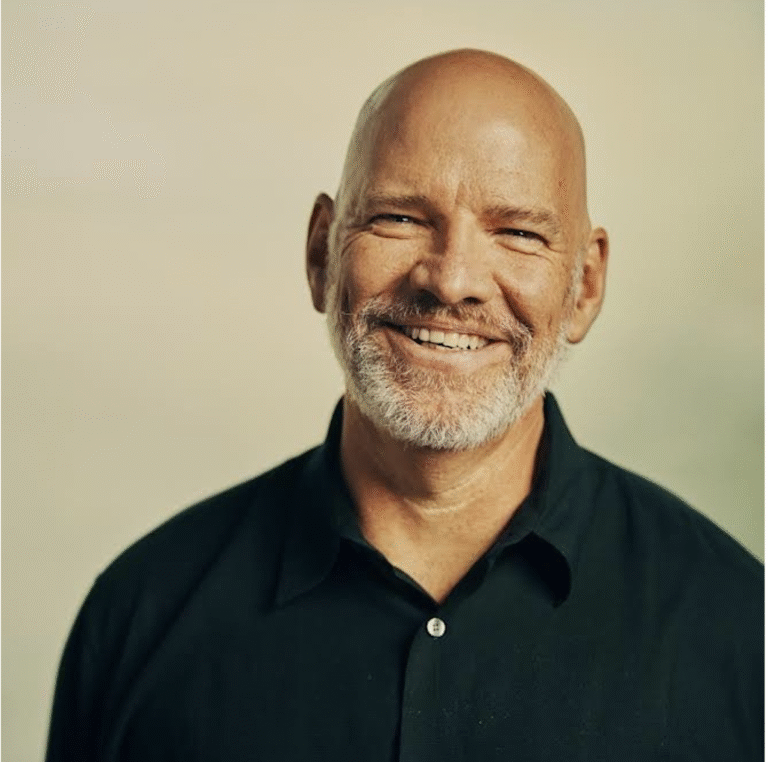
Executive Director, Metro Drug Coalition
Webster Bailey serves as the Executive Director for Metro Drug Coalition. After a 15-year career working in a residential addiction treatment center setting, Webster joined MDC full-time in April 2023. Webster’s career in the treatment field was primarily focused on business development, marketing, and admissions. As a person in long-term recovery, he has dedicated his career to helping others recover from the disease of addiction.
Webster has had a long-standing involvement with MDC, dating back to 2006. He was a member of MDC’s Community Coalition from 2006 -2012. Then, he served as a board member for 8 years, from 2012-2020, and during that time, from 2015-2017, he served as Board President.
Webster’s work and volunteerism across the recovery and addiction treatment communities have resulted in several awards over the years:
In 2023, Webster received the Lifetime Achievement Award by the East Tennessee Association of Alcohol and Drug Abuse Counselors (ETAADAC). In 2016, he was named Professional of the Year by ETAADAC. In 2015, Webster received the Prevention Champion Award from the Blount County Community Health Initiative. In 2014, he received the Recovery Services Award from the Metropolitan Drug Commission. And, in 2013, Webster received the Community Service Award from the Tennessee Licensed Professional Counselors Association.
Webster also helps his wife, Robinella, by managing and promoting her music and art career. He also serves on the boards of directors for Clover Fork Coal Company and Provectus Biopharmaceuticals, Inc.
In 2017, Webster launched a new clothing and apparel line for recovering people called Higher Powered Lifestyle Apparel Co.
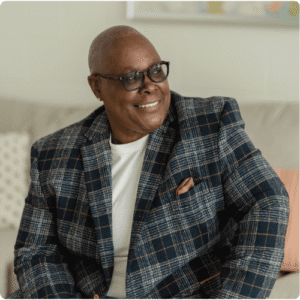
Founder & CEO-President, Mending Hearts, Inc.
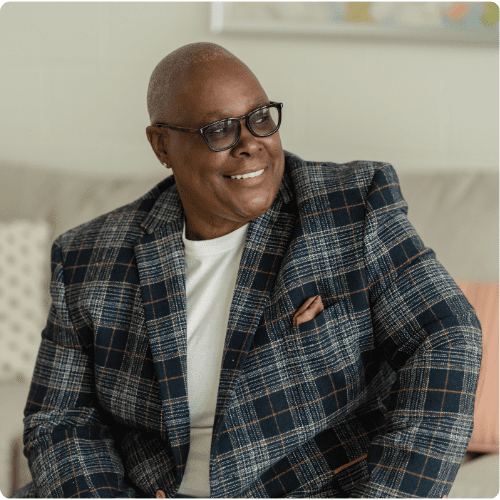
The founder and CEO-President of Mending Hearts, Inc. is Katrina (Trina) Frierson and her story exemplifies redemption. Her story informs her and mending hearts that it takes a community to recover. After years of struggling with addiction, Trina experienced life on the streets, periods of homelessness, incarceration, and losing custody of her children. She received the support she needed to establish and maintain her sobriety in order to regain her life. In an effort to pay it forward, Trina felt led to serve women in similar situations. She saw the need for a long-term program that addressed addiction but also offered life-changing support, therapy, and job skills that are crucial to life-long recovery. Trina founded Mending Hearts in 2004. In its infancy, Mending Hearts owned 1 home and treated 7 women. The program has now grown to 15 homes and has served over 5000 women, becoming a critical resource for treating women in Middle Tennessee. It was essential to Trina to not only help individuals but also to transform her community, and she has played an integral part in revitalizing West Nashville. It is Trina’s belief that it is her duty to rebuild a community where she was once part of its demise. Trina has turned inhabitable dwellings into homes filled with hope, to bring healing and beautification to her community and the women in it.

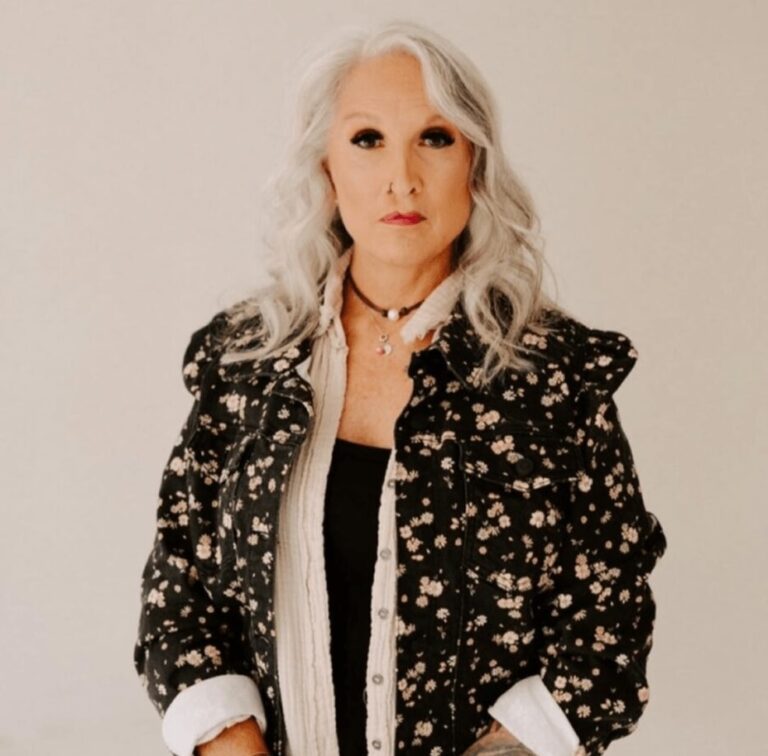
Founder & Executive Director, Recovering Crossville
Dr. Kristie Isaacson is the Executive Director of Recovering Crossville, a 501(c)(3) nonprofit dedicated to helping individuals in Cumberland County overcome life-controlling issues through comprehensive recovery support services.
Kristie’s passion for recovery work is both deeply personal and professionally grounded. She has lived a life removed from substance abuse since December 1994 — a testimony that spans three decades and forms the heartbeat behind everything Recovering Crossville does. Her own journey of restoration fuels her unwavering commitment to offering others the same hope and the same chance at a transformed life.
That commitment is matched by rigorous academic preparation. Kristie earned her Bachelor’s degree in Religion: Biblical & Theological Studies from Liberty University in 2019, followed by a Master of Arts in Pastoral Counseling & Community Chaplaincy in 2021. In 2024, she completed her Doctor of Ministry in Pastoral Counseling — also from Liberty University — a milestone that marked not only a personal achievement but a professional turning point. Her doctoral dissertation created the foundational framework for the addiction recovery program that now serves the residents of Cumberland County, providing addiction recovery services, rehabilitation placement, and transitional housing.
Kristie’s call to ministry began long before her doctorate. She has been in full-time ministry since 2014 — a decade of faithful service that preceded and ultimately shaped her academic pursuits. Since February 2018, she has also served as a Volunteer Chaplain at Cumberland Medical Center, walking alongside patients and families during some of their most difficult moments.
Today, as the founder and driving force behind Recovering Crossville, Kristie brings over ten years of ministry experience, clinical training, and deep community roots to her work. She and her husband, Travis, are proud residents of Cumberland County, where they are surrounded by their four children and three grandchildren — the community she serves is truly her home.

Senior Advisor, Great American Recovery Initiative; Medical Director, Cedar Recovery
Dr. Stephen Loyd is an Internal Medicine/Addiction Medicine physician who graduated medical school and residency from the James H. Quillen College of Medicine at East Tennessee State University. He currently serves as the Vice-President of the Tennessee Board of Medical Examiners. Dr. Loyd was the Assistant Commissioner (Opioid Czar) for Substance Abuse Services in the Tennessee Department of Mental Health and Substance Abuse Services in Governor Bill Haslam’s administration. He has served as an expert witness in more than twenty federal and state cases against physicians who were improperly prescribing controlled substances. Dr. Loyd was named an Advocate for Action by the Office of National Drug Control Policy (ONDCP), an office of the President of the United States. He has delivered over five hundred educational lectures on addiction and treatment of opioid use disorder and proper prescribing of controlled substances.
Dr. Loyd was an original member (still active) of the Treatment of Chronic Pain Guidelines Committee which defined pain treatment for providers in the state of Tennessee. He has worked as an Addiction Medicine Physician in both the inpatient and outpatient settings, specializing in the treatment of opioid dependent pregnant women. Dr. Loyd has served on multiple drug courts in Tennessee and remains an active participant in drug court in the 4th Judicial District. He has worked with multiple community level anti-drug coalitions from Johnson County to Shelby County and has worked with all levels of state law enforcement, mainly the Tennessee Bureau of Investigation.
Dr. Loyd was the inspiration behind Michael Keaton’s character in Hulu’s Emmy Award winning series Dopesick. He currently serves as Chief Medical Officer for Cedar Recovery in Tennessee and served as Chair of the Tennessee Opioid Abatement Council appointed by current Tennessee Governor Bill Lee. Dr. Loyd has been in recovery from opioid and benzodiazepine addiction since July 8, 2004.

Samuel A. MacMaster, Ph.D. is an expert in the behavioral health field with over three decades of experience in the design, delivery, and evaluation of substance use and mental health treatment services.
He has developed programs across the United States, and in several foreign countries, focused on implementing innovative approaches to meeting the needs of underserved populations. He was the Co-founder of a behavioral health company where he served as the Chief Clinical Officer; and has held similar executive level positions in two other large national treatment organizations where he was responsible for developing and driving similar rates of growth and qualityin clinical programming. He is currently an Associate Professor of Psychiatry and Behavioral Sciences at Meharry Medical College and was previously a member of the faculty of the Department of Family and Community Medicine at Baylor Medical College and the College of Social Work at the University of Tennessee.
A pioneer in the area of outcome studies and the identification of barriers to engagement in treatment services, he has conducted numerous federally funded research studies and demonstration projects regarding the efficacy of behavioral health approaches. He has been a frequent speaker at academic and industry conferences across the globe and has published three books and over 75 peer-reviewed articles focused on behavioral health topics. He holds a PhD in Social Welfare and a Master of Science in Social Administration from Case Western Reserve University, and a bachelor’s degree in psychology from Miami of Ohio.
Prior to entering academia in 1999, Dr. MacMaster worked as a clinician for over a decade in a variety of addiction treatment settings. A person living in long-term recovery, he remains a tireless advocate for recovery for all individuals who struggle with addiction.

George Massengill, BSSW, LADAC, is a seasoned industry professional with over three decades of diverse experience in healthcare, IT, and business financial sectors. He has held pivotal roles ranging from CEO to Clinical Director in renowned companies such as the University of Tennessee, CRC Health/Acadia Health, and Peninsula Health System. Most recently, George served as Senior Vice President at Philips Holdings Inc., where he successfully developed relationships with Fortune 500 clients, executed large-scale contracts, and fostered crucial business relationships. Additionally, he has made a significant impact as a board member and CMO/EVP at JourneyPure, establishing treatment services across the nation.
Throughout his career, George has demonstrated entrepreneurial acumen by starting, buying, and selling several companies. He founded The Wellness Centers, a statewide outpatient substance use disorder (SUD) and mental health service, which he sold to Bradford Health in 2003. He then established HealthConnect America, a state-wide and now national company providing in-home mental health, SUD, and case management services, which he sold to Xebec Corp in 2007. George also started Recovery Living Services, offering statewide outpatient and recovery houses, and sold it to CRC/Acadia in 2010. In 2016, he merged Another Chance Recovery and Faith, an inpatient detox and residential facility for men, into The Serenity Center and Network, which he later sold to JourneyPure.
In addition to his healthcare ventures, George founded PMR Inc., a technology firm specializing in developing electronic medical records (EMRs) and smart care-driven communication systems for U.S. healthcare. As CEO, he spearheaded the development of trademarks such as MyHealth Card and My Healthrec, creating networks for case management and payment processing for smart card EMR-driven systems. George’s extensive experience and innovative contributions have consistently advanced the fields he has engaged with, underscoring his reputation as a multifaceted leader and visionary in the industry.
Economic Development Planner, Upper Cumberland Development District / Upper Cumberland Human Resource Agency
My name is Mikel Miller with the Upper Cumberland Development District, where I focus on community engagement and strategic initiatives.
With over 30 years of experience as an entrepreneur and consultant, my work centers on program development and strategic planning. By building a regional, participant-based recovery ecosystem across the 14 counties of the Upper Cumberland, we have demonstrated that effective early recovery solutions can be successfully delivered in rural Tennessee.
Because this model was created to be scalable, replicable, and sustainable, we are now ready to expand these efforts across the state.
Founder & CEO, HUSTLE Recovery
Troy Sandifer is the founder and Chief Operating Officer of HUSTLE Recovery and a published author whose work is informed by his personal and professional experiences. He founded HUSTLE Recovery in 2020 after losing a close friend to fentanyl poisoning and feeling compelled to help address the addiction crisis. Since its founding, HUSTLE Recovery has connected more than 8,000 people to treatment and expanded its services to include recovery navigation, gender-specific recovery residences, respite housing, outpatient treatment, peer support, and other resources that help individuals establish lasting recovery.
As a Certified Peer Recovery Specialist and a person in long-term recovery, Troy brings firsthand understanding to his work with individuals, families, and communities. His experience spans nonprofit leadership, entrepreneurship, behavioral health, recovery housing, treatment navigation, program development, community partnerships, and advocacy. He has served on numerous boards and committees focused on recovery, treatment, and the criminal justice system. Troy has dedicated his life to helping people access care, overcome barriers, discover purpose, and build meaningful lives in recovery.
Recovery Advocate; Member, Tennessee Opioid Abatement Council
Steve Stone graduated from Tennessee Technological University in 1977 with a degree
in Business Management. He spent 42 years with Tap Publishing Company, where he
served in various leadership roles before retiring as Chief Operating Officer in 2019.
Throughout his career and retirement, Steve has remained deeply committed to the
well-being of his community. He is actively involved in numerous organizations
throughout Cumberland County and the Upper Cumberland region. His service includes
membership and volunteer work with Cumberland Fellowship Church, as well as board
service with the Cumberland County Foster Care Board, Cumberland Good Samaritans,
Cumberland Prevention Coalition, and the Trauma-Informed Community Alliance.
Steve has also been appointed to the Tennessee Board of Utility Regulation, The
Tennessee Opioid Abatement Council, serves as Chairman of Fourth Dimension Inc.,
and is a commissioner for Middle Tennessee Gas. Through these various leadership
and volunteer roles, he advocates for vulnerable populations, supports trauma-informed
initiatives, contributes to effective utility oversight, and promotes spiritual, civic, and
community engagement.
Steve's commitment to the recovery community is one of the most significant aspects of
his service. Since March 1985, he has remained actively involved in supporting
individuals and families affected by addiction. For more than four decades, he has
chaired recovery meetings, sponsored individuals in recovery, helped people access
rehabilitation services, and built relationships with organizations and individuals who
can provide assistance to those struggling with addiction and to their families.
His more than 40 years of personal experience working alongside individuals in
recovery, combined with his extensive knowledge of community resources, have given
Steve a unique understanding of the challenges faced by people seeking help. This
experience has strengthened his compassion, expanded his network of resources, and
shaped a lifelong passion for helping others find hope, recovery, and a path toward a
healthier life.
Steve's decades of professional leadership, community involvement, and service to the
recovery community reflect a deep commitment to helping others and strengthening the
communities he serves.
Co-Founder & Executive Director, Recovery Is The New High
Will Taylor is a behavioral health leader, recovery advocate, trainer, and speaker with more than a decade of experience advancing recovery-oriented systems of care, prevention initiatives, and community-based behavioral health services. As Co-Founder and Executive Director of Recovery Is The New High (RITNH), he has led the development of innovative programs, statewide training initiatives, and strategic partnerships that strengthen recovery ecosystems and expand access to recovery support services across Tennessee.
Holding a Bachelor’s degree in Psychology from Tennessee State University, Will combines professional expertise with lived experience to help organizations, communities, and leaders implement sustainable solutions that improve outcomes for individuals and families impacted by substance use and mental health challenges. His background includes clinical counseling, recovery support services, workforce development, recovery housing, reentry, overdose prevention, and faith-based community engagement.
Recognized as a trusted collaborator and systems builder, Will has played a key role in translating policy into practice, helping communities navigate legislative changes, establish recovery-ready environments, and strengthen cross-sector partnerships. His work has supported the expansion of recovery housing standards, peer support services, prevention programming, and community engagement efforts throughout the state.
A dynamic and engaging presenter, Will is known for delivering practical, evidence-informed trainings that resonate with diverse audiences, including healthcare professionals, faith leaders, public health agencies, recovery organizations, local coalitions, and community stakeholders. Through his leadership, advocacy, and commitment to service, he continues to advance innovative solutions that promote recovery, resilience, and long-term community well-being.
Co-Founder, National Institute for Behavioral Health; Executive Director, Hope in the Hills, Inc.
Logan Terry is a co-founder of the National Institute for Behavioral Health and the Executive Director of Hope in the Hills, a nonprofit organization advancing recovery efforts throughout Appalachia. His leadership is informed by both his professional experience and his own long-term recovery since January 2018. He also serves as an advisor to multiple state and federal agencies, helping to advance behavioral health, substance use, and recovery policies and systems.
Logan’s professional experience spans behavioral health administration, policy development, peer recovery support, recovery housing, workforce development, community engagement, nonprofit leadership, and the creation of programs that support sustained recovery. At the center of his work is the belief that addiction must be treated as a chronic disease. He works to build person-centered systems that connect treatment with peer support, stable housing, employment, families, faith and community organizations, and other forms of recovery capital, helping individuals achieve lasting health, stability, purpose, and self-sufficiency.
Commissioner, Mental Health and Substance Abuse Services, Tennessee Department of Mental Health and Substance Abuse Services
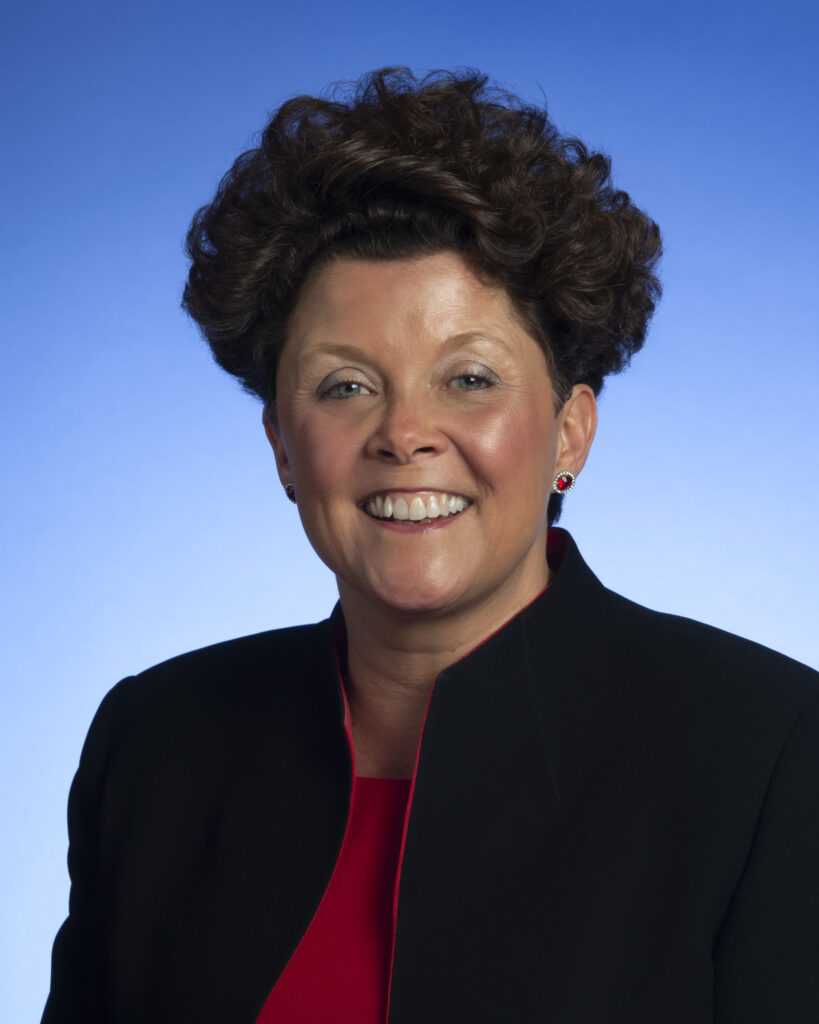
Marie Williams, LCSW, gratefully serves as Commissioner of the Tennessee Department of Mental Health and Substance Abuse Services (TDMHSAS). She was reappointed to her position by Governor Bill Lee on January 19, 2019 and was initially appointed by Gov. Bill Haslam, effective October 22, 2016. She is the longest-serving Commissioner in the department’s 70+ year history.
As Commissioner, Ms. Williams oversees and leads the department in its role as the state’s public mental health and substance abuse authority. Under her leadership and with support from two different governors and the Tennessee General Assembly, the TDMHSAS annual budget has grown from $337 million to about $680 million. In all, the department serves approximately 750,000 Tennesseans annually who are struggling with mental health and substance abuse issues. Ms. Williams provides leadership and oversight to more than 1,871 full-time employees who assist individuals in securing prevention, treatment, and recovery services for serious mental illness, serious emotional disturbances, and substance abuse disorders. Her duties as commissioner also include system planning; monitoring, licensing, evaluating, and setting policy and quality standards; collaborating with other state and community agencies; and working to educate the community about mental health and substance abuse services. Ms. Williams’s oversight responsibilities include about 1,100 contracts with community mental health and substance abuse providers, the operation of four regional mental health institutes with about 5,400 annual admissions, and contracts with three additional private psychiatric hospitals which serve about 2,200 people annually.
In her time as Commissioner, Ms. Williams has served as a leader in addressing several essential issues facing Tennessee including behavioral health workforce challenges, mental health struggles of youth and young adults, the opioid crisis, criminal justice reform, leveraging the abilities and resources of the faith-based community, and expanding peer-led services, but her career in behavioral health services has been marked by a special passion for housing.
Commissioner Williams began her career in Memphis, Tennessee supporting people experiencing homelessness and mental illness. Her success there led to employment with TDMHSAS starting in 2000 as the Director of Housing Planning and Development. Her signature achievement, the Creating Homes Initiative (CHI), has leveraged more than $1.4 billion and developed more than 37,000 supportive housing options for people diagnosed with mental illness and co-occurring disorders. Based on the success of the original CHI program, Governor Bill Lee and the Tennessee General Assembly expanded it twice to create housing for people recovering from substance use disorder (CHI 2.0) and re-entering communities from incarceration (CHI 3.0).
As the pandemic realities of workforce disruption, burnout, and uncertainty facing all sectors of the economy became clear, Commissioner Williams convened and led a workgroup to study the issue, gather data, and establish solutions. The workgroup included representatives from treatment provider agencies, consumer and family advocacy groups, as well as universities and colleges that train the professionals working in the field. She also leveraged relationships at the state’s Medicaid agency to ensure that the entire sphere of public behavioral health was represented. Under Ms. Williams’s leadership, this diverse group of stakeholders developed a roadmap for Tennessee’s elected decisionmakers to consideration that eventually led to more than $40 million recurring investment of state dollars for TDMHSAS contracted providers and an additional $62 million in one-time funding for bonuses and mental health services.
Another reality of the pandemic that Commissioner Williams realized early on was the outsized impact on the mental health of Tennessee’s youth and young adults. With support from Governor Bill Lee and the Tennessee General Assembly and in partnership with the department’s contracted community mental health providers, Ms. Williams created the Children’s Behavioral Health Safety Net. In the model of the existing Behavioral Health Safety Net for adults, the Children’s BHSN ensured that any Tennessee child who was uninsured or underinsured would have access to essential outpatient mental health services. Commissioner Williams also led the expansion of the department’s services for children and youth taking the School-Based Behavioral Health Liaison program from a few dozen counties to statewide and initiating the Tennessee Resiliency Project which allowed grant applicants unprecedented latitude in designing services to meet the need in their areas. Her leadership and decision making are essential as the department works to operationalize Governor Bill Lee’s $250 million K-12 Mental Health Trust Fund.
Under the direction of Gov. Bill Haslam, Ms. Williams co-chaired a workgroup of commissioners, state and local lawmakers, and law enforcement officers to develop a comprehensive plan to address opioid addiction and reduce overdose deaths in Tennessee. This plan became known as TN Together and was the signature policy initiative of Gov. Haslam’s final year in office. The $30 million plan addressed the crisis by making significant investments in substance abuse treatment, addiction prevention, and law enforcement. Since then, Ms. Williams has continued to advocate for expanded funding for prevention, treatment, and recovery services with more than $30 million in state funding added under the administration of Governor Bill Lee and more than $150 million in awarded federal grants since March 2020. As lawsuit settlements stemming from the opioid crisis send hundreds of millions of dollars to Tennessee, Ms. Williams’s leadership remains key as she serves as a non-voting member of the state’s Opioid Abatement Council.
Ms. Williams’s efforts in criminal justice reform include advocating, increasing funding, and expanding the network of recovery courts to encompass 92 recovery courts in Tennessee following the recent addition of several new mental health courts. Additionally, Ms. Williams is responsible for leadership and oversight of the department’s juvenile justice program which created alternatives to out-of-home placements in areas of the state where options are limited. In 2019, Governor Bill Lee called on Commissioner Williams’s leadership to chair the Behavioral Health Subcommittee of his Criminal Justice Investment Task Force. Additionally, Ms. Williams has provided criminal justice leadership at the national level serving with the Council of State Governments Justice Center Advisory Board since 2018 and serving as the group’s Chair starting in 2022.
Faith in God has always been a strong motivator for Ms. Williams as she moved through her personal and professional life, and that influence showed her the value of direct outreach to communities of all faiths across Tennessee. During her time as Deputy Commissioner, Ms. Williams helped create the Department’s Faith-Based Initiative, and under her leadership as Commissioner, the initiative grew to encompass two department employees and seven regional Faith-Based Community Coordinators. The program’s signature achievement is Certified Faith-Based Recovery Partner program which has certified more than 1,100 houses of faith to create and share recovery resources and support Tennesseans in their journey of wellness.
Increasing the role of peer-led services has been a significant theme of Ms. Williams’s time as Commissioner. Under her leadership, programs in the department have been started and/or greatly expanded that have placed Certified Peer Recovery Specialists in places where they can refer people to treatment, work with communities of faith, work inside of emergency departments, train people on reversing overdose, and more. Commissioner Williams responded to the demand for certified peers both from within the department’s programs and from community providers and other settings by greatly increasing capacity in the department’s CPRS trainings. As a result, Tennessee reached a milestone with more than 1,300 active CPRS during her tenure as Commissioner.
In her previous position as Deputy Commissioner, Ms. Williams served as top advisor to the Commissioner and managed the departmental budget of more than $337 million. Ms. Williams successfully assisted in the department’s transformation initiative which closed a 150-bed long-term care facility. Through strong partnership and collaboration with community providers, all patients were transitioned into community-based care, and the facility’s previous operating budget of $20.5 million was reinvested into community-based services. Ms. Williams’s leadership secured the support of three East Tennessee private psychiatric in-patient hospital partners to provide services to those patients previously served by Lakeshore Mental Health Institute.
Commissioner Williams is a proud graduate of the University of Tennessee Knoxville (Master of Social Work), Austin Peay State University (Bachelor of Science in Psychology, and Dyersburg State Community College. She is the recipient of numerous professional and community awards from national and state groups including the Excellence in Advocacy Individual Achievement Award from the National Council for Behavioral Health, the George Goodman and Ruth P. Brudney National Social Work Award from Mental Health America, the Alumni Professional Achievement Award from the University of Tennessee Knoxville, and the Senator Douglas Henry Award for Service to Children and Families at Risk from the University of Tennessee College of Social Work. Ms. Williams lives in Nashville, and she is the mother of Nikki Williams.