Menu of Professional Services
& Program Capabilities

Building Healthier Communities

Reach Impact Institute partners with public agencies, healthcare organizations, philanthropic foundations, and community coalitions to design, implement, and evaluate evidence-informed initiatives that reduce overdose deaths, strengthen recovery ecosystems, and improve community health outcomes. 


Our services are available individually or as comprehensive turnkey engagements.
Naloxone Access & Overdose Prevention Programs

Reach Impact Institute is a national leader in developing low-barrier overdose prevention initiatives.

Services include:

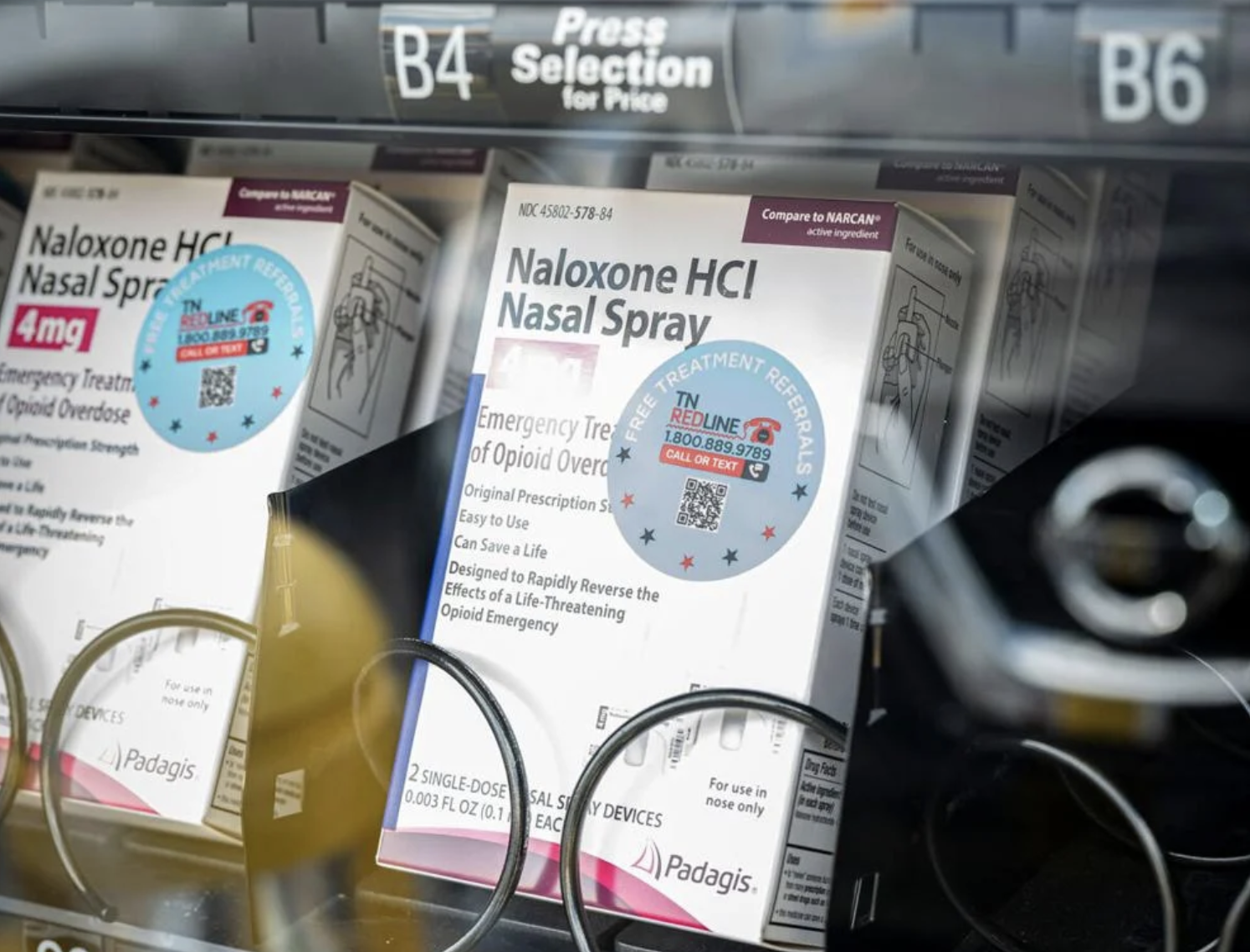
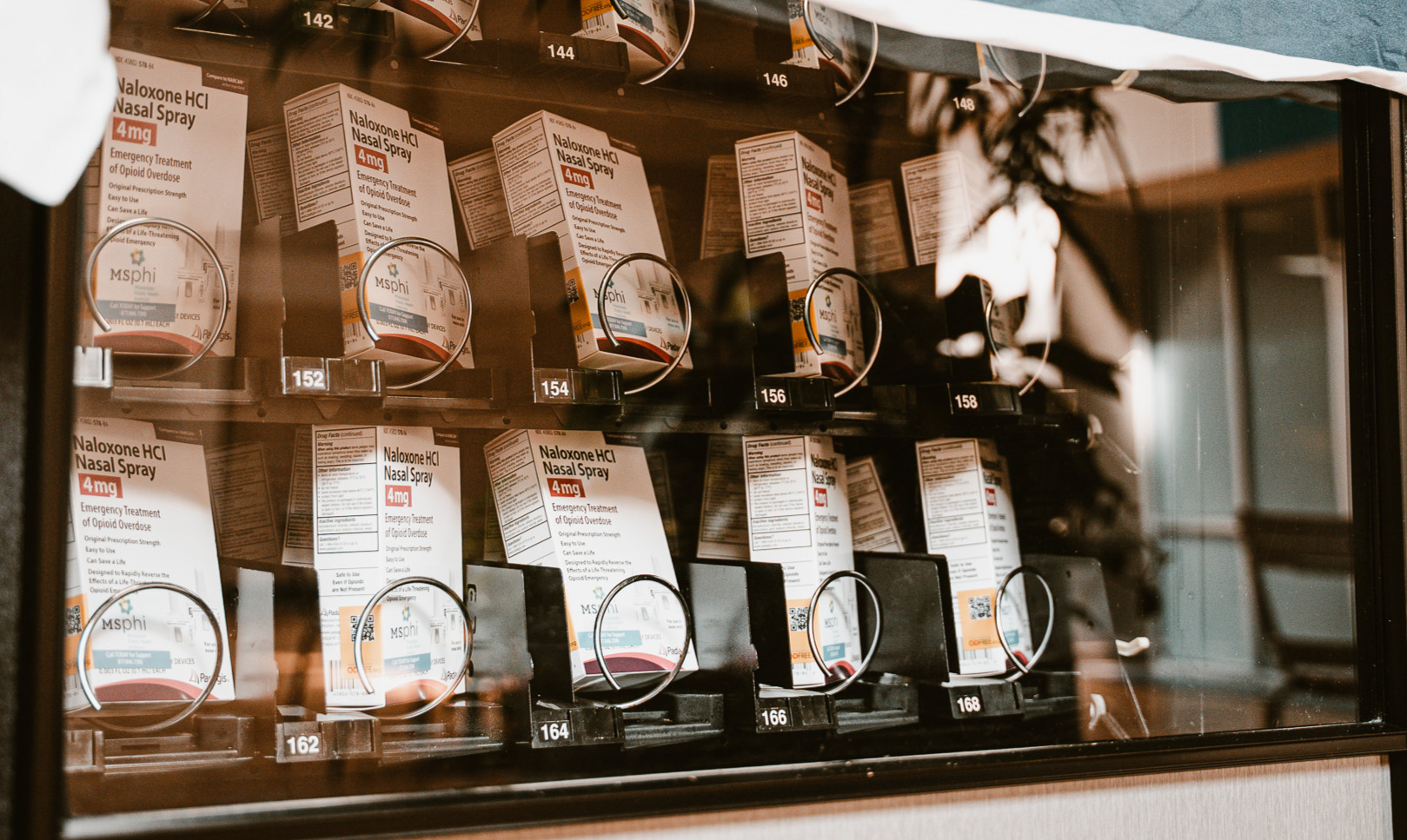
  • Turnkey naloxone vending machine programs
  • Site assessment and placement strategy
  • Community launch events
  • Distribution planning
  • Restocking and sustainability planning
  • Community education campaigns
  • Naloxone administration training
  • Pre-arrival overdose response education
  • Public awareness initiatives
  • Street outreach program design
  • Overdose prevention implementation support

Reach Impact Institute develops and manages high-impact educational and community engagement events from planning through execution.

Services include:
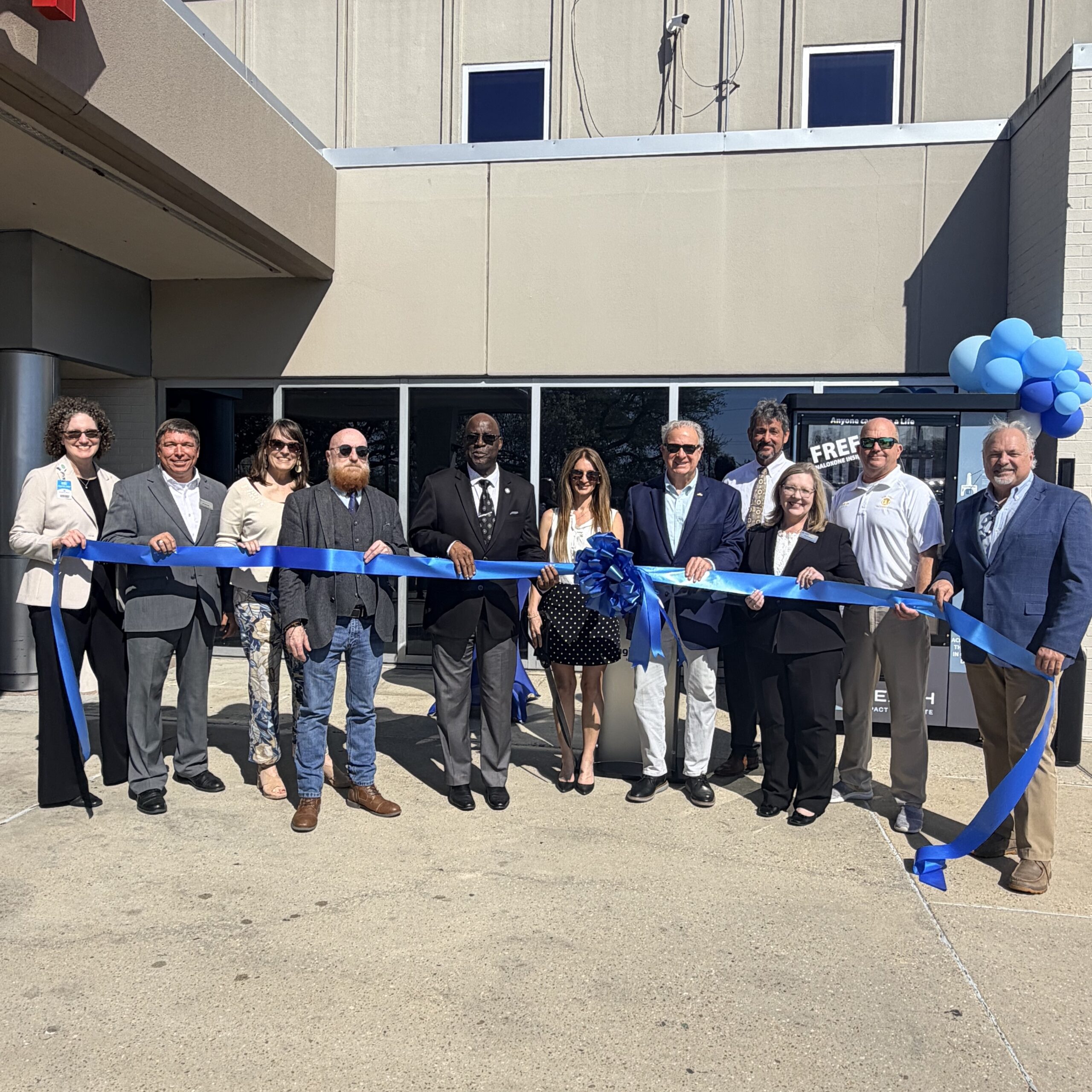
  • Complete event management
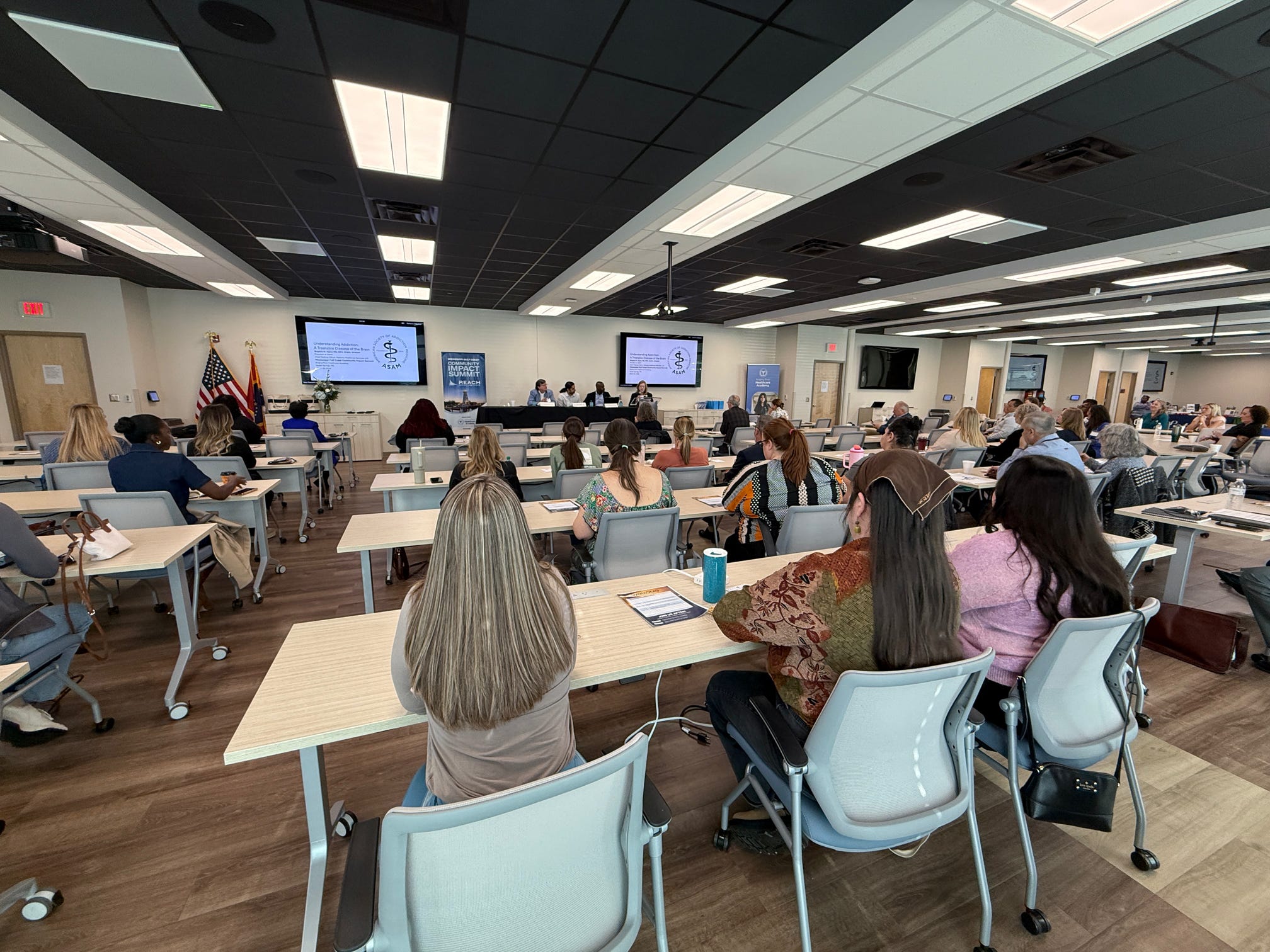
  • Community Impact Summits
  • Educational conferences
  • Public forums
  • Leadership roundtables
  • Ribbon-cutting ceremonies
  • Community launch events
  • Sponsor development
  • Speaker recruitment
  • Program development
  • Continuing education coordination
  • Vendor management
  • Marketing support
  • Event facilitation
  • Post-event evaluation

Changing perceptions is essential to changing outcomes.

Services include:

  • Public awareness campaigns
  • Stigma reduction campaigns
  • Strategic communications planning
  • Community messaging
  • Media relations support
  • Social media strategy
  • Educational resource development
  • Storytelling initiatives
  • Recovery celebration campaigns
  • Public service announcements
  • Brand strategy for initiatives

We help communities build trusted relationships that drive long-term change.

Services include:
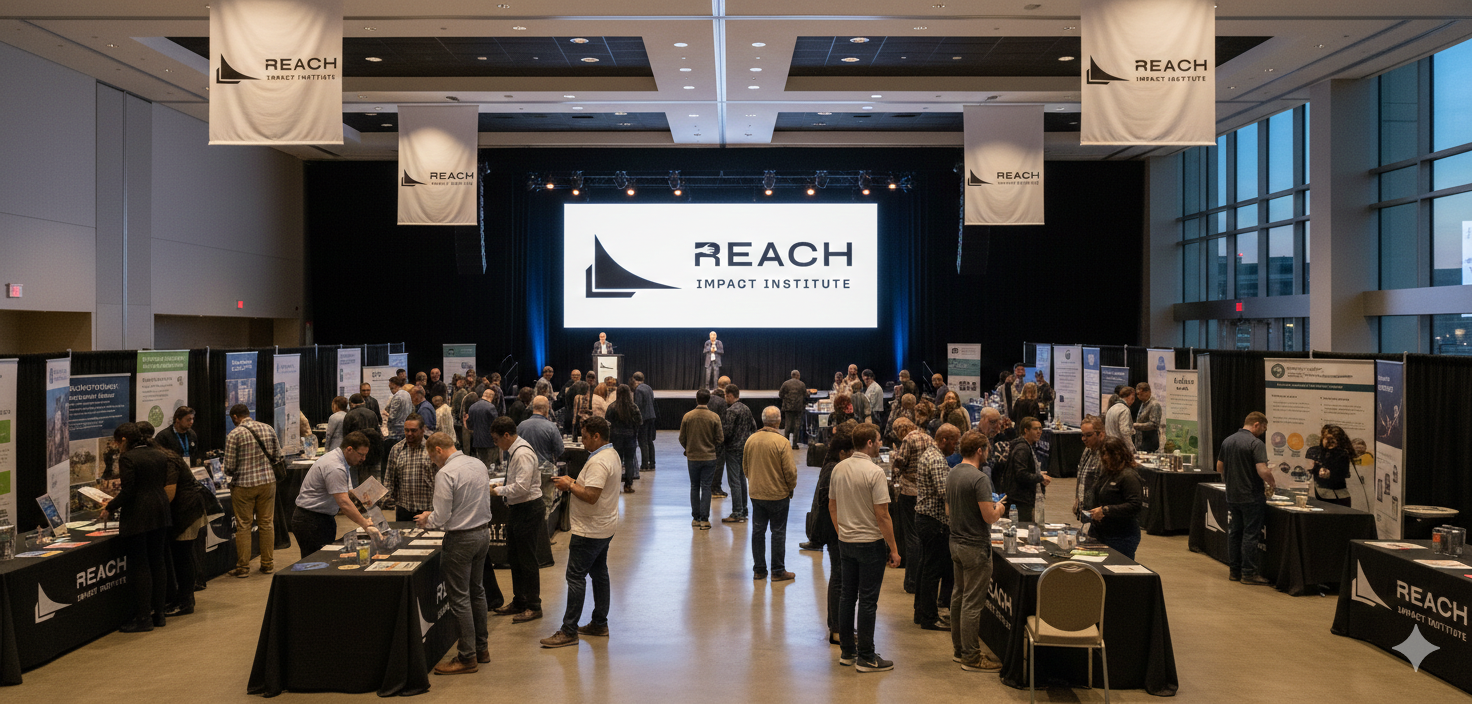
  • Stakeholder engagement strategies
  • Coalition development
  • Community forums
  • Town halls
  • Public listening sessions
  • Advisory council facilitation
  • Faith community engagement
  • Business engagement
  • Healthcare partnership development
  • Community ambassador programs
  • Volunteer engagement strategies

We help organizations move from funding to measurable impact through strategic planning and implementation support.

Services include:

  • Strategic planning and facilitation
  • Opioid settlement fund investment planning
  • Community action plans
  • Program design and implementation
  • Technical assistance for grantees and funded organizations
  • Coalition development and facilitation
  • Cross-sector partnership development
  • Sustainability planning
  • Policy and systems change consultation
  • Recovery-oriented systems of care planning
  • Strategic prioritization and implementation roadmaps

We provide turnkey support from concept through launch.

Services include:

  • New program design
  • Pilot project development
  • Implementation planning
  • Standard operating procedures
  • Workflow development
  • Partnership coordination
  • Vendor management
  • Project management
  • Implementation coaching
  • Launch planning


Examples include:

  • Naloxone distribution initiatives
  • Overdose prevention programs
  • Recovery housing and support initiatives
  • Community health outreach programs
  • Mobile outreach services
  • Peer recovery integration
  • Community resource navigation

Customized education programs designed for professionals, community organizations, and public agencies.

Training topics include:

  • Naloxone administration
  • Overdose prevention principles
  • Recovery-oriented systems of care
  • Stigma reduction
  • Community engagement
  • Opioid settlement best practices
  • Peer recovery integration
  • Behavioral health partnerships
  • Leadership development
  • Coalition capacity building


Training formats:

  • In-person
  • Virtual
  • Hybrid
  • Executive briefings
  • Train-the-trainer programs
  • Multi-session learning collaboratives

Every community has unique challenges. Reach Impact Institute develops customized solutions including:

  • Comprehensive community transformation initiatives
  • Multi-year implementation strategies
  • Statewide technical assistance
  • County opioid response planning
  • Community health improvement strategies
  • Recovery ecosystem development
  • Public health innovation initiatives

Reach Impact Institute partners with:

  • State agencies
  • County governments
  • City and municipal governments
  • Public health departments
  • Healthcare systems
  • Hospitals
  • Behavioral health providers
  • Recovery community organizations
  • Foundations
  • Community coalitions
  • Law enforcement agencies
  • Emergency medical services
  • Universities
  • Tribal nations
  • Employers
  • Faith-based organizations
  • National nonprofit organizations

Clients may engage Reach Impact Institute through:

  • Hourly consulting
  • Half-day facilitation
  • Full-day facilitation
  • Fixed-fee projects
  • Monthly advisory retainers
  • Multi-month implementation support
  • Annual technical assistance agreements
  • Comprehensive turnkey program implementation

Why Reach Impact Institute?

Reach Impact Institute combines strategic planning, implementation expertise, stakeholder engagement, and outcome measurement to help communities transform funding into lasting impact. Our approach integrates overdose prevention, recovery support, stigma reduction, systems change, and cross-sector collaboration to create sustainable solutions that improve health outcomes and strengthen communities.

Signature Strengths Include:

  • Turnkey naloxone access initiatives, including vending machine implementation
  • Community Impact Summits that convene diverse stakeholders and catalyze action
  • Strategic technical assistance for opioid settlement fund investments
  • Data-driven needs assessments and impact evaluation
  • Cross-sector coalition building and community engagement
  • Recovery-centered systems development and stigma reduction
  • End-to-end program design, implementation, and sustainability planning